
From Sully-sur-Loire to Chalonnes-sur-Loire, this UNESCO World Heritage Site stretches for nearly 280 kilometers. Chambord, Chenonceau, Cheverny, Chaumont-sur-Loire, Saumur, and Fontevraud are among its major highlights. With its Loire Valley châteaux, vineyards, abbeys, and villages, the Loire Valley reveals its exceptional heritage as you travel from Touraine to Anjou, passing through the Blésois region.
Visit the grand châteauxof the Loire Valley
In the Loire Valley, not all castles are in the same league. Some single castles embody the royal power, architectural boldness, and prestige that have made the Valley of the Kings famous.
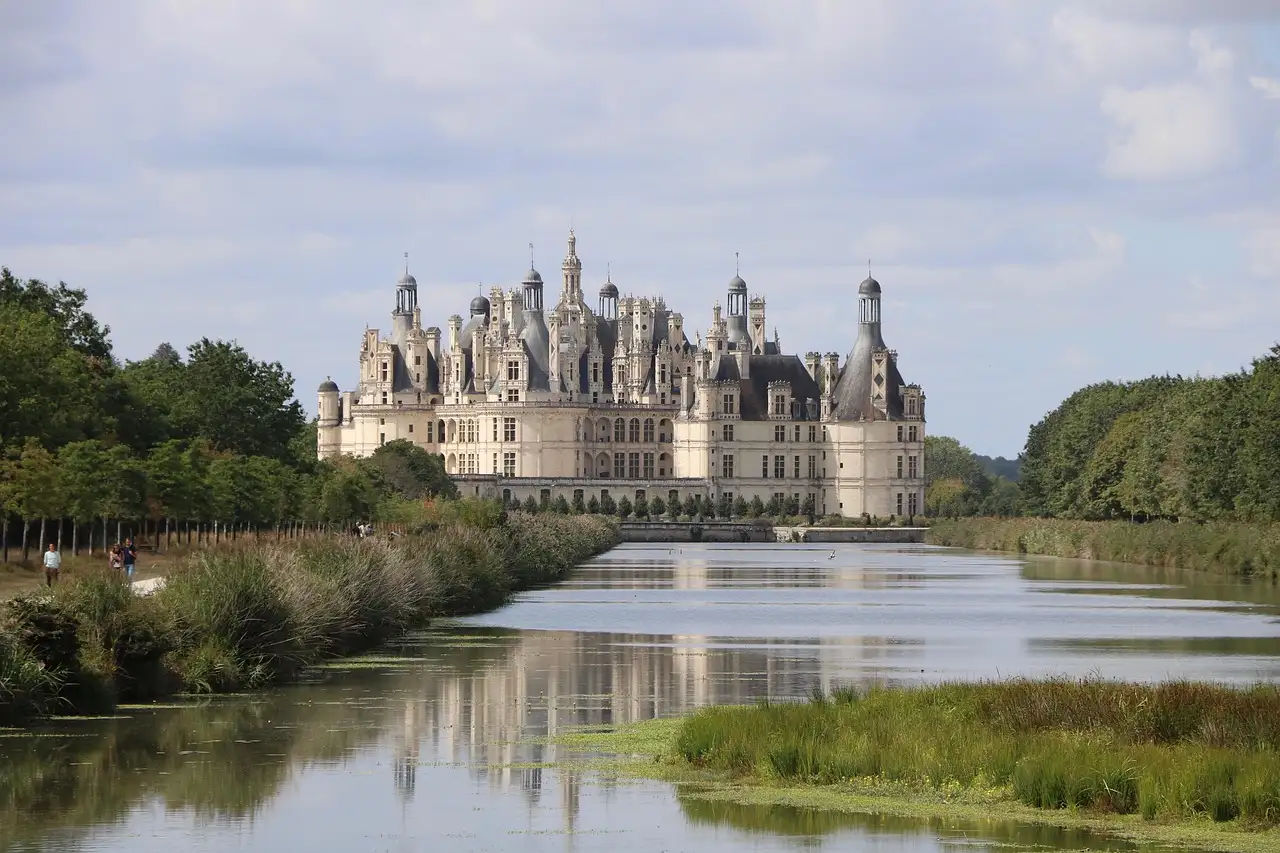
The Château de Chambord isone of the iconic landmarks of the Loire Valley. Commissioned by Francis I inthe heart of a vast forested estate, the château embodies all the extravagance of the French Renaissance, right down to its famous double-helix staircase inspired by Leonardo da Vinci. Plan on spending half a day visiting the state rooms, the terraces dotted with fireplaces, and the French formal gardens, which have been restored to their 18th-century design.
Further west, Chenonceau stretchesits arches across the Cher River. Diane de Poitiers, Catherine de’ Medici, and several other prominent women have shaped the history of this château, which has become one of the most famous in the Loire Valley. The gardens provide a natural extension of the tour, offering beautiful views of the gallery bridge and the river.
Cheverny Castle stands in stark contrast to the grand Renaissance structures thanks to the refined elegance of its classical architecture. Still inhabited and richly furnished, it has belonged to the same family for more than six centuries. It was the central part of its façade that inspired Hergéto create theCastle of Moulinsart.
Finally, in Chaumont-sur-Loire, heritage and contemporary art come together around the château and the International Garden Festival, which takes place every year. Four major stops, four ways to explore the history and lifestyle of the Loire Valley.
To learn more: the Loire Valley Castle Tour
Blois and Amboise,two royal destinations in the Loire Valley
Between Chambord and Touraine, Blois and Amboise are each well worth a visit in their own right. These two cities embody a large part of the Loire Valley’s royal history and also offer a welcome change of pace from the large, isolated estates.
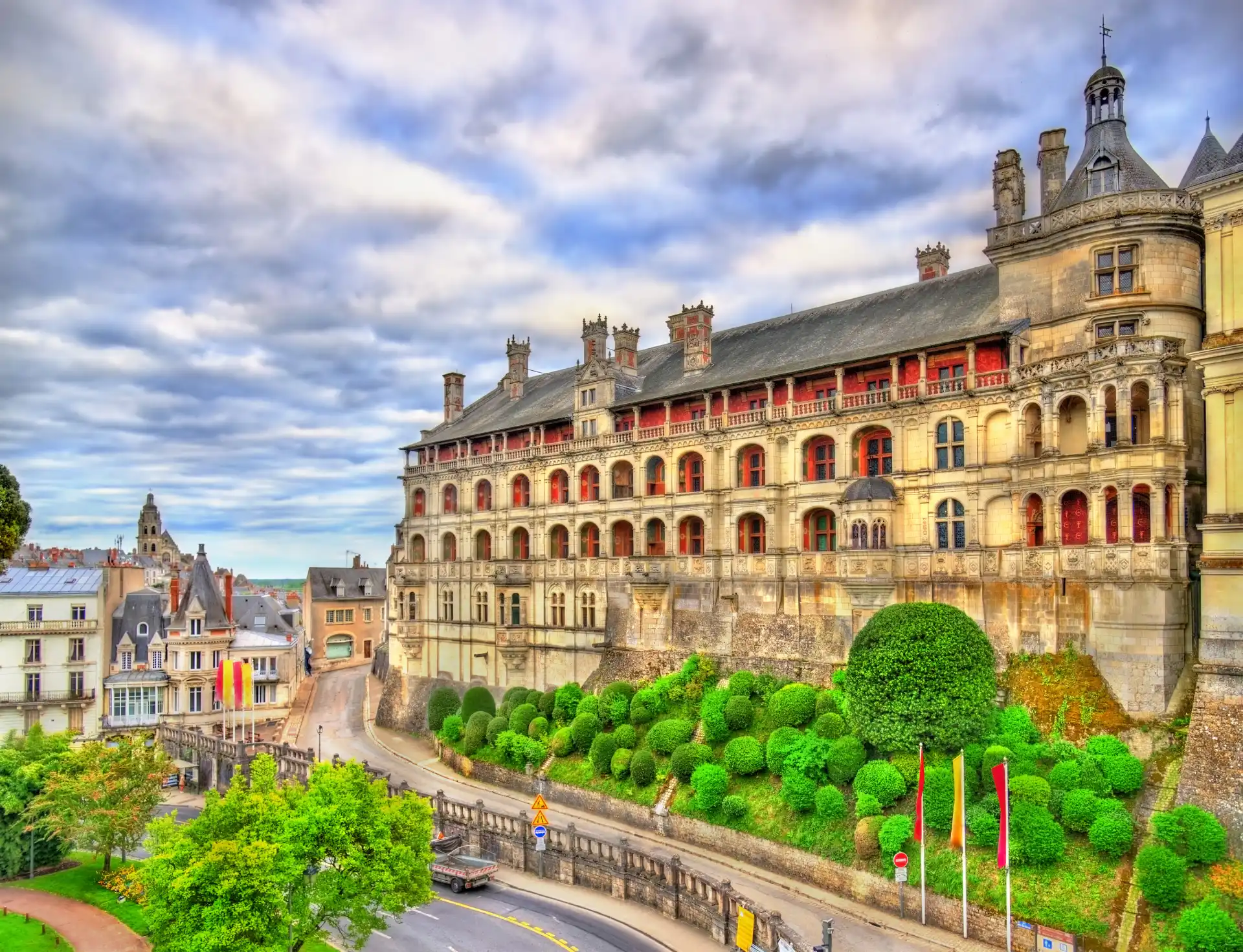
In Blois, the royal castlealone encapsulatesseveral centuries of French architecture. Its four wings reflect different eras, from the Middle Ages to the Classical period, and serve as a reminder of the city’s role in court life:seven kings and ten queens of France stayed there. Allow about two hours to explore the royal apartments and the courtyard before heading down to the banks of the Loire.
Further west, Amboise overlooks the river from its royal castle, which is notably associated with Charles VIII and Francis I. The Saint-Hubert Chapel houses thetomb of Leonardo da Vinci, whose final resting place is located a few hundred meters away, at the Clos Lucé. The Clos Lucé extends the tour with its workshops, models, anda seven-hectare park dedicated to theItalian master’s inventions. Set aside half a day to visit both sites at a leisurely pace.
At the eastern edge of the UNESCO-designated site, Sully-sur-Loire serves as a reminder of the full extent of the Loire Valley. Its castle, more defensive in nature than the grand Renaissance mansions, is a historic stop for those continuing on the route toward Orléans.
See also: Things to Do in Touraine: The Complete Guide
What to See in Anjou in the Loire Valley?Angers, Saumur, Fontevraud, and Montsoreau
To the west, the Loire Valley changes scenery and takes on the character of the Anjou region. Medieval fortresses, royal abbeys, tuffeau-stone villages, and vineyards come togetherhere to forma more diverse cultural landscape that’s well worth exploring over several stops.
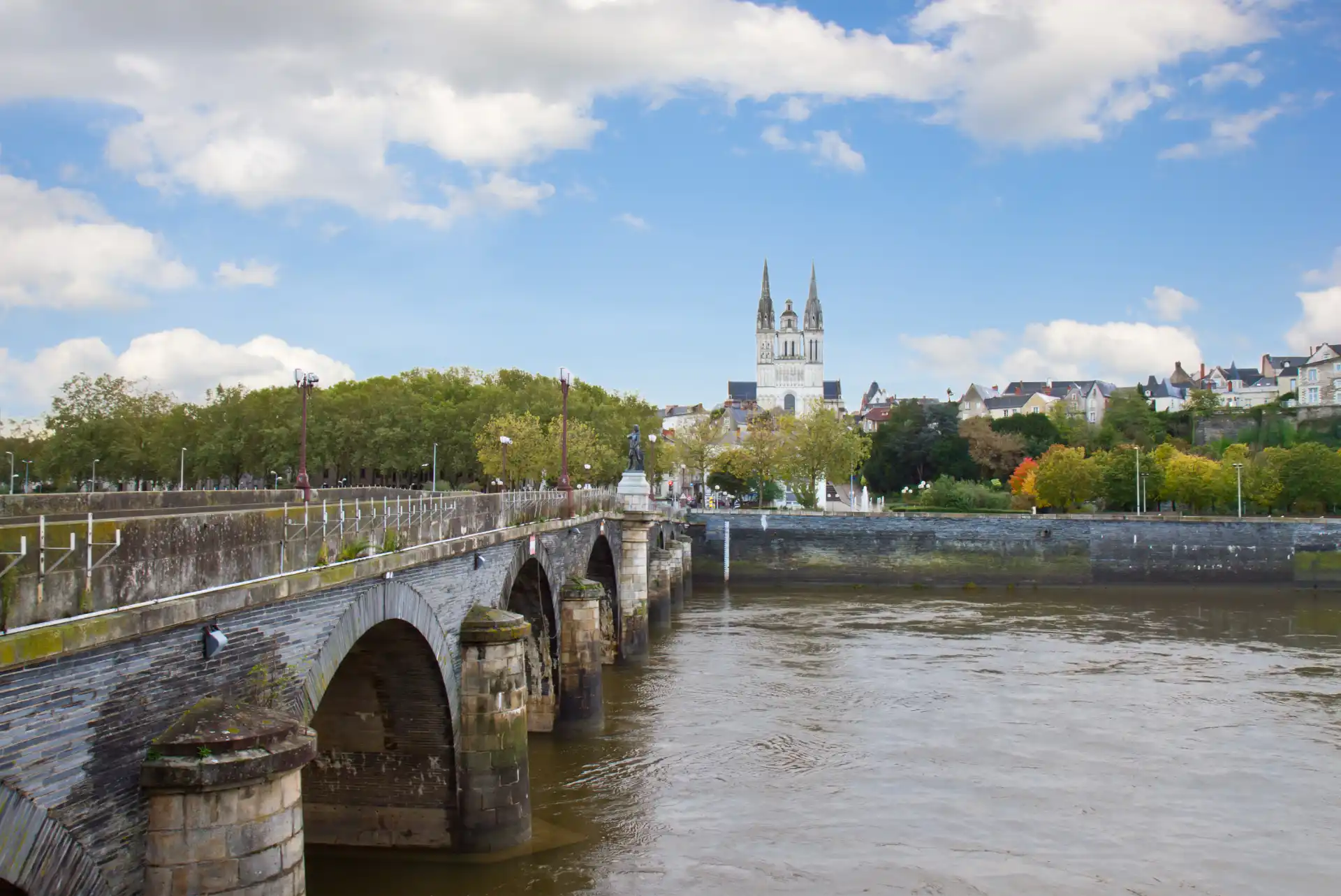
In Angers, the castle towers over the Maine River with its 17 towers. Hidden behind its ramparts is the Apocalypse Tapestry, a 14th-century masterpiece listed on UNESCO’s Memory of the World Register. Allow about two hours for a tour of the castle, the tapestry, and a stroll along the ramparts, which offer sweeping views of much of the city.
Further east, Saumur overlooks the Loire from its light-colored stone castle. The town combines historical heritage, equestrian tradition centered around the Cadre Noir, and renowned vineyards. Ahalf-day is enoughto visit the castle before heading back down to the historic center. Wine lovers can extend their visit with a tour of a cave wine cellar.
Just a few kilometers away,the Royal Abbey of Fontevraud stands on a completely different scale. Founded in 1101, Europe’s largest monastic complex also served as a burial ground for thePlantagenets: Eleanor of Aquitaine, Henry II, and Richard the Lionheart are among the recumbent statues preservedin the abbey church. Allowtwo hours to explore the church, the cloister, and the monastic buildings.
Finally, Montsoreau brings visitors back to the riverbank. Listed among the Most Beautiful Villages of France, it features tuffeau-stone houses clustered arounda Renaissance castle perchedright on the banks of the Loire. Save this stop for late afternoon: the riverbanks andnarrow streets take on a whole new atmosphere then, and your stroll can easily extend all the way to the vineyards of the Saumur region.
Unique Activities and Toursto discover in the Loire Valley
The Loire Valley isn’t just about exploring behind the gates of its castles. Whether by bike, underground, along the river, or in a hot-air balloon, the region reveals a more unexpected side, bringing you closer to the river and the landscapes it has shaped.

By bike, the “La Loire à Vélo” route remains one of the best ways to experience the valley. Between Blois and Chaumont-sur-Loire, a stage of about 23 kilometers runs along the river and passes through villages and landscapes typical of the Loire region. It’s an easy distance to cover in a day, with a stop at the Domaine de Chaumont-sur-Loire.
Another, more peaceful perspective: that from a “toue” or a traditional Loire riverboat. From the water, sandbars, islands, and hillsides reveal themselves in a different light, especially at the end of the day when the light falls on the river.
In Chaumont-sur-Loire, the International Garden Festival blurs the lines between landscape, art, and architecture. Each season, designers and landscape architects create new garden displays based on a common theme, turning the estate into much more than just a castle tour.
Even more spectacular, a hot-air balloon ride over the Loire Valley offers a breathtaking view of the vineyards, the river’s meandering course, and the silhouettes of Chambord, Chenonceau, and Chaumont-sur-Loire. Flights at sunrise or sunset are the most popular.
Finally, in the area around Saumur, the exploration continues underground. Cave dwellings, old tuffeau quarries, and mushroom farms tell another story of the Loire Valley—a story shaped by this light-colored stone that was used to build so many villages and castles.
Wine Regions and Gastronomyof the Loire Valley
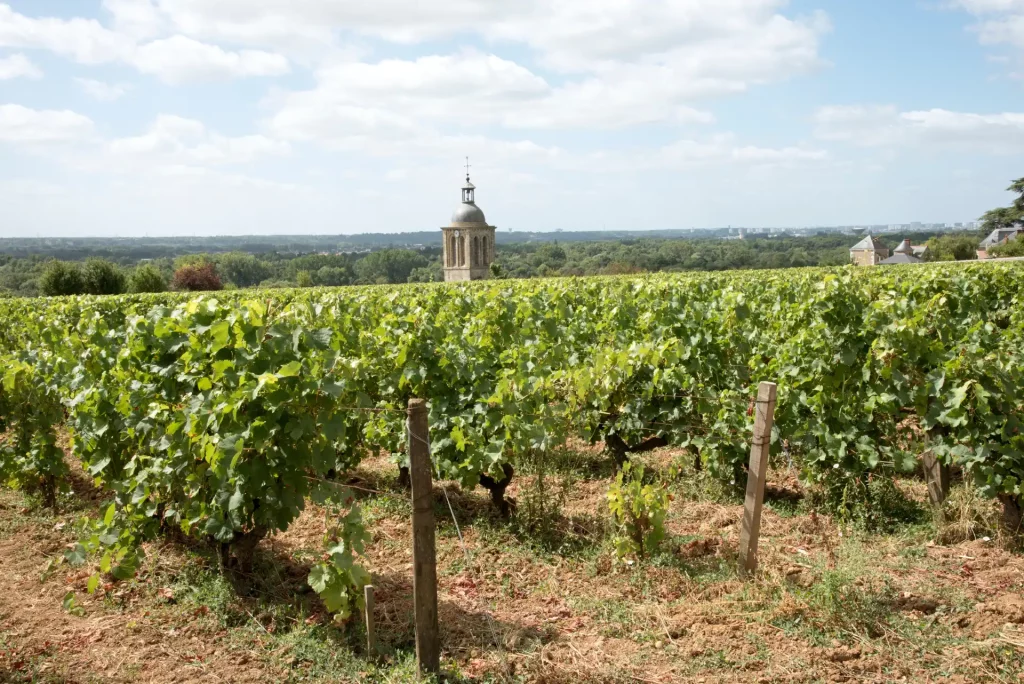
The Loire Valley can also be discovered through its wines. Around Vouvray and Montlouis-sur-Loire, Chenin Blanc is produced as dry, smooth, or sparkling wines; further west, Savennières and the Coteaux du Layon offer two very different styles, while Saumur-Champigny remains a benchmark for Cabernet Franc reds.
To truly appreciate the vineyard, nothing beats a hike through the vineyards, especially on the hillsides of Vouvray or Montlouis, where the trails overlook the Loire River and its tributaries in some places. This easy hike can be easily combined with a wine tasting at one of the appellation’s wineries.
When it comes to wine cellars, the Saumur region offers some spectacular tours through the ancient tuffeau stone galleries. The major sparkling wine houses (Bouvet Ladubay, Ackerman, Gratien & Meyer, and others) open their cellars to the public, offering a chance to learn about the winemaking process before the tasting. A great stop before or after visiting Saumur or Fontevraud.
On the plate, fouées, rillauds, fish from the Loire, and crémet d’Anjou reveal another facet of the region’s terroir. Further east, the fine-dining restaurant at Château de Rochecotte in the Loire Valley offers a more contemporary take on the region’s cuisine, led by Emmanuelle Pasquier and Franck Joly, with a focus on local and seasonal ingredients.
When is the best time to visit the Loire Valley?
Spring and early fall offer the most pleasant conditions for exploring the Loire Valley, with gardens in full bloom and fewer crowds than in the height of summer. September and October are also particularly good times to visit the vineyards.
How many days should I plan for?
A weekend gives you time to focus your visits on two or three major sites. To visit Chambord, Amboise, Touraine, and Anjou without rushing, you’ll need about four to five days. A week allows you to alternate between castles, biking, vineyards, and villages at a more leisurely pace.

Where to stay when visitingthe Loire Valley?
Beyond the castles and vineyards, the Château de Rochecotte offers another way to experience the Loire Valley.
Located between Tours and Saumur, this former residence of the Duchess of Dino and the Prince of Talleyrand exudes understated elegance. Refined guest rooms, a gourmet restaurant, and a swimming pool overlookinga 25-hectare park set the stage for an exceptional stay in the Loire Valley.
From Rochecotte, Chambord, Chenonceau, and Amboise are all within easy reach. As evening falls, you’ll experience the unique atmosphere of a Loire Valley château steeped in history. A destination like no other, blending heritage, the art of living, and the gentle charm of the Touraine region.