

Villandry, Langeais, Ussé… Given the wealth of attractions in Touraine, the question isn’t what there is to see, but where to start. Between Saint-Patrice and the banks of the Loire, every village, every vineyard, and every château reveals a different facet of this region. Rather than a list, here is a curated selection designed to help you plan a trip that suits you—from a quick weekend getaway to a leisurely, contemplative getaway.
The Castles of Touraineto visit
If your stay in Touraine is measured in days rather than weeks, there are several castles that stand outabove all others.
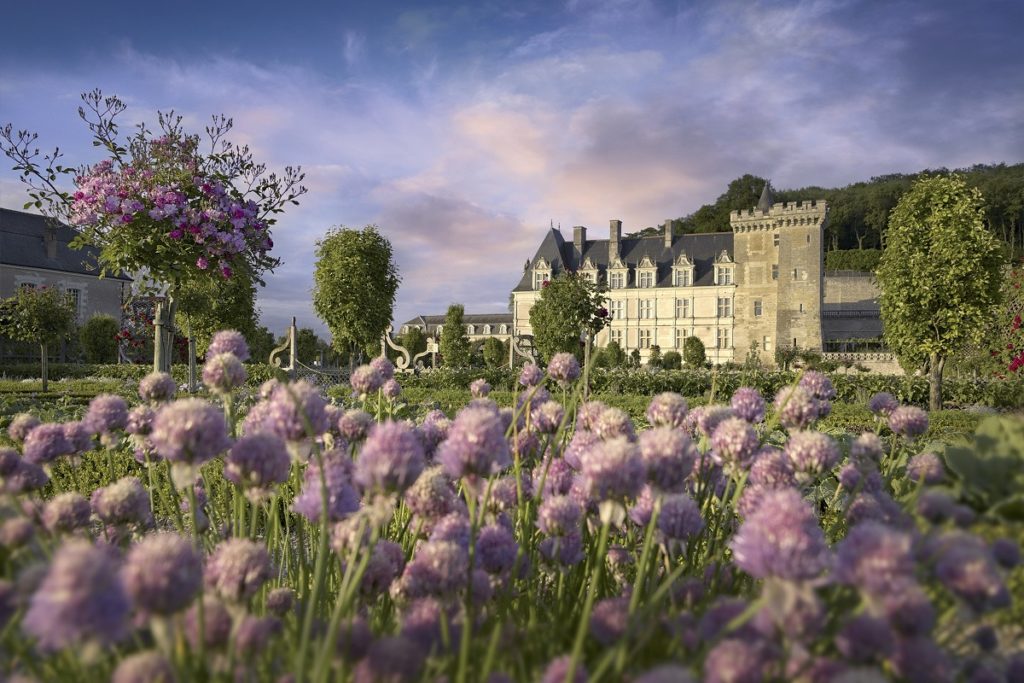
The Château de Villandry first and foremost for its French gardens, designedlike a living tapestry, located about twenty kilometers from the Château de Rochecotte.
Allowhalf a day to explore the six themed gardens, and be sure to include a stroll through the ornamental vegetable garden.
The Château d’Azay-le-Rideau, a Renaissance gem nestled on the banks of the Indre River, about twenty kilometers from Tours. Its period furnishings and romantic garden are well worth a two-hour visit, which you’ll happily extend with a detour to the neighboring Château de L’Islette.
The Château de Langeais, in the heart of the Loire Valley, is home to one of the most lavishly furnished residences in the region: tapestries, chests, and four-poster beds offer a glimpse into the daily life of a 15th-century nobleman. Allow 1½ to 2 hours to tour the entire château, the royal quarters, and the grounds.
The Château d’Ussé, near Chinon, is the one that inspired Charles Perrault to write Sleeping Beauty. Walk through the gallery leading to the terraced gardens, marvel at the pointed turrets rising above the foliage, and take the time to wander through the paths before heading back to the car: this castle feels just like a fairy tale.
On the left bank of the Loire, halfway between Tours and Blois, the Royal Castle of Amboise embodies eight centuries of history. Leonardo da Vinciis buried there, in the Saint-Hubert Chapel, after spending his final years at the nearby Clos Lucé estate, at the invitation of Francis I. Allow a good hour and a half for the tour, or longer if you plan to visit the Clos Lucé as well.
See also: our selection of Loire Valley châteaux to visit.
Experience the Loire in a Different Way:cycling, boating, and outdoor activities
Touraine is more than just its stone facades. France’s last untamed river also invites you to slow down, let yourself drift, and rediscover a rhythm that everyday life has made you forget.
A ride on a gabare
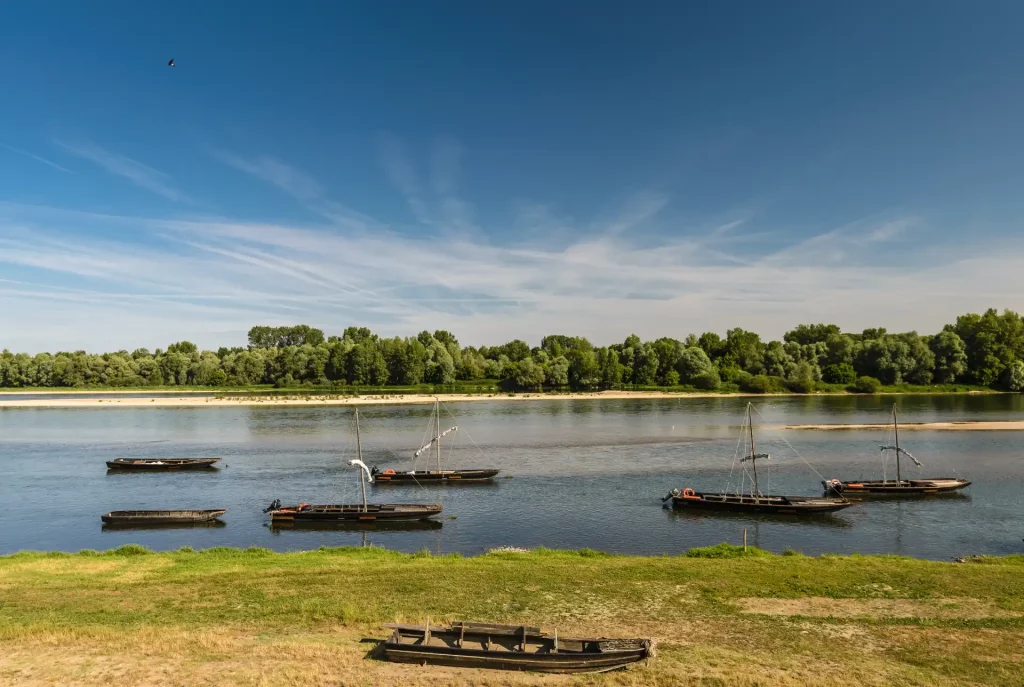
From Savonnières, just outside Tours, LesBateliers du Cher offers boat tours on a “gabare,” a large traditional flat-bottomed boat that was once used to transport wine. During the one- to two-hour trip, you can admire the sandbars, the birds nesting on the islets, and the way the light shifts across the water.
The Loire by bike
In Touraine, the Loire à Vélo offers nearly 300 km of marked bike paths along the river, between Amboise and Candes-Saint-Martin. It’s an accessible route dotted with Renaissance castles, wine-growing villages, and landscapes designated as UNESCO World Heritage Sites.
Canoeing Down the Loire River
From Bréhémont, canoeing down the river offers a different perspective—at water level, far from the noise. Many rental companies offer trips lasting a few hours or even a full day, from Savonnières to Bréhémont and Chouzé-sur-Loire,

Discover the vineyardsand the cuisine of Tours
Touraine also tells its story at the table and in its vineyards, where the terroir reveals itself with the same attention to detail as in the architecture of its châteaux.
The Vineyards of Bourgueil and Chinon
To the west of Tours, the Bourgueil vineyards stretch across the hillsides around Saint-Nicolas-de-Bourgueil. Here, Cabernet Franc reigns supreme and produces renowned red wines, many of which are crafted at family-owned estates.
Around Chinon, this same grape variety thrives in a variety of terroirs, ranging from gravel and sand to limestone hillsides. A visit to the appellation’s wineries and estates allows you to extend your exploration of the Touraine region’s heritage by discovering its wines.
Local Specialties from the Tours Region
Rabelais, a native of the region, never hid his admiration for the cuisine of Tours. The must-try dishes include Tours rillettes(with IGP certification), goat cheese from Sainte-Maure-de-Touraine, and fouée—a small ball of bread baked over a wood fire. Food lovers can continue their culinary journey with Tours nougat, a confection made with apricot jam that had fallen into obscurity before regaining its former glory.
This way of life is reflected even on the plates at the Château de Rochecotte, a gourmet restaurant in Touraine, where chefs Emmanuelle Pasquier and Franck Joly showcase local ingredients through seasonal cuisine.
The Most Beautiful Villagesto discover in Touraine
The Touraine region is home to several villages that are well worth a visit on their own. Montrésor, Crissay-sur-Manse, and Candes-Saint-Martin are among the “Most Beautiful Villages of France.” Even more unique, Chédigny stands out for its flower-lined streets and its garden-village charm.
Montrésor
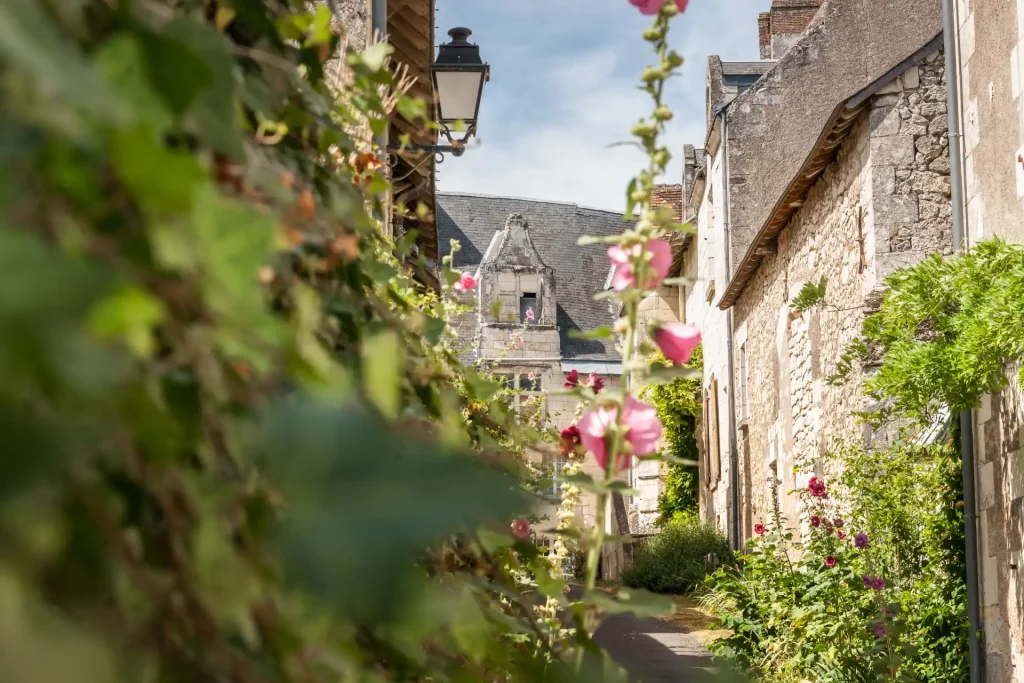
On the banks of the Indrois River, not far from Loches, this village combines a Renaissance castle and the Saint-Jean-Baptiste collegiate church ina single picturesque setting. Much of its charm is due to Xavier Branicki, a Polish count close to Napoleon III, who restored the castle and beautified the village in the 19th century—a legacy that can still be felt as you stroll through its narrow streets.
Crissay-sur-Manse
Perched on a hillside along the road to Chinon, this village preserves the remains of a castle that was partially destroyed during the Hundred Years’ War: a 13th-century keep, a seigneurial chapel, and underground passages. Historic homes, the Church of Saint-Maurice, and old washhouses make upa walking route that perfectly embodies the relaxed lifestyle of the Tours region.
Candes-Saint-Martin
A former fishing port at the confluence of the Loire and Vienne rivers, this village owes its religious fame to Saint Martin of Tours, who died there in 397. The 12th-century collegiate church and the narrow streets lined with white tuffeau stone offer some of the region’s most striking historical sites and panoramic views of the valley.
Chédigny
Not far from Montrésor, this village stands out in a different way: as the only village in France designated a “Remarkable Garden,” it features rose gardens and perennials lining even its narrowest alleys. A spring or summer detour—less well-known than its neighboring villages with similar designations, but just as revealing of the Touraine way of life.
Things to Do in Touraine
in 1, 2, or 3 days?
The length of your stay naturally determines your itinerary. Here’s how to plan your time depending on whether you have a day, a weekend, or several full days.
A Day in Touraine
Spend the morning in Villandry and its French gardens, then head to Langeais for the afternoon, where you can tour the period furnishings in about an hour. Finish with a gabarre boat ride—just a stone’s throw away—to end the day on the water rather than on the road.
Two Days in Touraine
On the first day, follow the one-day itinerary described above. On the second day, head to Azay-le-Rideau and the Château de L’Islette in the morning, then head to the Chinon vineyards for lunch and a local wine tasting. The afternoon is perfect for a stop in Candes-Saint-Martin or Montrésor, depending on which direction you take.
Three Days in Touraine
Add a full day dedicated to the Château d’Ussé in the morning, for its fairy-tale atmosphere, followed by a bike ride along the Loire in the afternoon. On the third day, you can also enjoy lunch on the edge of the Bourgueil vineyards before hitting the road again or extending your stay.

Where should you stay toTouraine with ease?
After this overview, one question remains: where should you stay to enjoy all of this without wasting time on the road? Want to spend the night in a Loire Valley castle?
In Coteaux-sur-Loire, in the heart of the Loire Valley, theChâteau de Rochecotte isan ideal base for exploring Langeais, Villandry, Chinon, and the vineyards of Bourgueil.
More than just a 4-star boutique hotel steeped inhistory and memories, and more than just a gourmet and innovative restaurant, it is a passionate team thatis committed to sharing unforgettable moments with you.
After a day of sightseeing, you can relax in the gardens, by the pool, or in the lounges before sitting down to dinner. The cuisine of Emmanuelle Pasquier and Franck Joly showcases local and seasonal ingredients. It’s the perfect way to make the most of your stay in Touraine.